May 27, 2026
A chimney may look solid and permanent from the outside, but the brick and mortar that form its structure are constantly under attack from forces that most homeowners never think about until visible damage has already appeared. The combination of heat, cold, moisture, and time creates a challenging environment that gradually breaks down even well-built chimneys over the years. Recognizing what causes chimney brick deterioration is the first step toward protecting a structure that plays an important role in both the function and the appearance of any home. Understanding what professional masonry services can do to address each cause helps homeowners make more informed and timely decisions about the care their chimney actually requires.
1. Freeze-Thaw Cycles That Crack Brick and Mortar
According to the Mason Contractors Association of America, masonry has been used for more than 6,000 years, which speaks to its durability — but even this ancient material is vulnerable to the relentless forces of freeze-thaw cycling in climates like Western Pennsylvania. When water enters small cracks in the brick or mortar and then freezes, it expands and forces those openings wider with each successive cycle throughout the winter months. Brick masonry professionals address this damage through whole house and spot pointing services that remove deteriorated mortar and replace it with fresh material that restores the joint's ability to resist future moisture infiltration. Catching freeze-thaw damage early and addressing it with quality pointing work prevents what begins as a minor crack from expanding into structural failure that requires far more extensive and expensive intervention.
2. Water Infiltration Through Deteriorated Mortar Joints
Mortar joints are the most vulnerable component of any brick chimney because they are softer than the surrounding brick and erode more quickly under persistent exposure to rain, humidity, and seasonal temperature changes over time. Once mortar begins to pull away from the brick face, water penetrates the joint and begins migrating through the structure in ways that accelerate deterioration of both the mortar and the adjacent brick. Brick masonry repair through professional brick pointing removes the damaged material to the appropriate depth and repacks it with mortar that is matched to the composition, color, and texture of the original to maintain both function and appearance. Mortar matching services ensure that the repaired joints do not stand out visually while also ensuring the new material bonds correctly and performs as intended under the conditions the chimney faces.
3. Spalling Caused by Moisture Absorption Within the Brick
Spalling occurs when water that has been absorbed into the face of a brick freezes, causing the surface layer to fracture and pop away from the brick body in pieces that gradually expose the softer interior material beneath. Spalled bricks are not simply cosmetically damaged — they are structurally weakened and will continue to deteriorate at an accelerating rate once the protective fired surface has been compromised by the initial freeze event. Brick masonry professionals who perform brick and block replacement services identify all spalled units and replace them with compatible material that matches the original brick in size, color, and texture as closely as possible. Addressing spalling before it spreads to adjacent bricks limits the scope of the required intervention and preserves more of the chimney's original structure than waiting until the damage has progressed through an entire section of the masonry.
4. Lintel Failure That Shifts Load and Cracks Surrounding Brick
The lintel is the structural support spanning the opening of the firebox, and when it corrodes, cracks, or loses its load-bearing capacity, the weight it was carrying transfers to the surrounding masonry in ways that cause cracking and displacement in the brick above and beside the opening. Lintel deterioration is often visible as a horizontal crack running along the mortar joint directly above the firebox opening, which signals that the lintel can no longer adequately carry the load it was designed to support. Brick masonry lintel repair replaces the failed support element and restores the structural integrity of the surrounding brickwork before the shifting load causes more extensive damage that spreads upward through the chimney structure. A properly installed replacement lintel distributes weight correctly across the opening and eliminates the source of stress that was driving the cracking in the adjacent masonry.
5. Chimney Crown Damage That Allows Water Entry at the Top
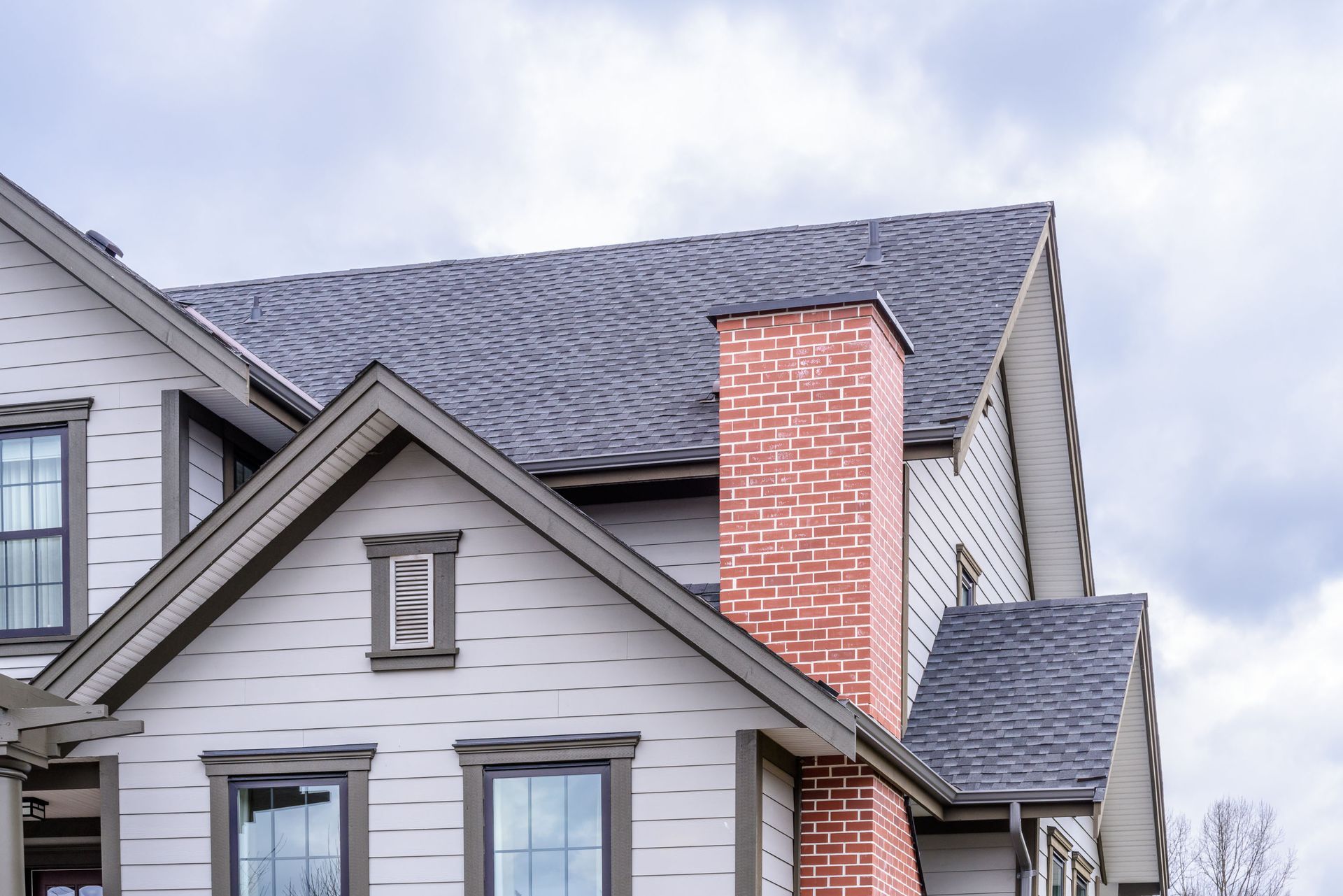
The chimney crown is the concrete or mortar cap that seals the top of the chimney structure around the flue, and when it cracks or deteriorates, water flows directly into the interior of the chimney where it accelerates the deterioration of every component below. Crown damage is one of the most common and most preventable causes of moisture-related chimney deterioration because it allows a continuous pathway for water to enter the structure with every rain event rather than occasionally through hairline cracks in the masonry. Brick masonry chimney repair services that include crown restoration seal this critical entry point and restore the primary line of defense that protects the entire chimney from the water intrusion that drives so much of the deterioration observed in older structures. Repairing or rebuilding a damaged crown is one of the highest-value chimney maintenance investments available because it protects every component below it from the moisture that would otherwise progressively damage them over time.
6. Deterioration From Flashing Failures at the Roof Line
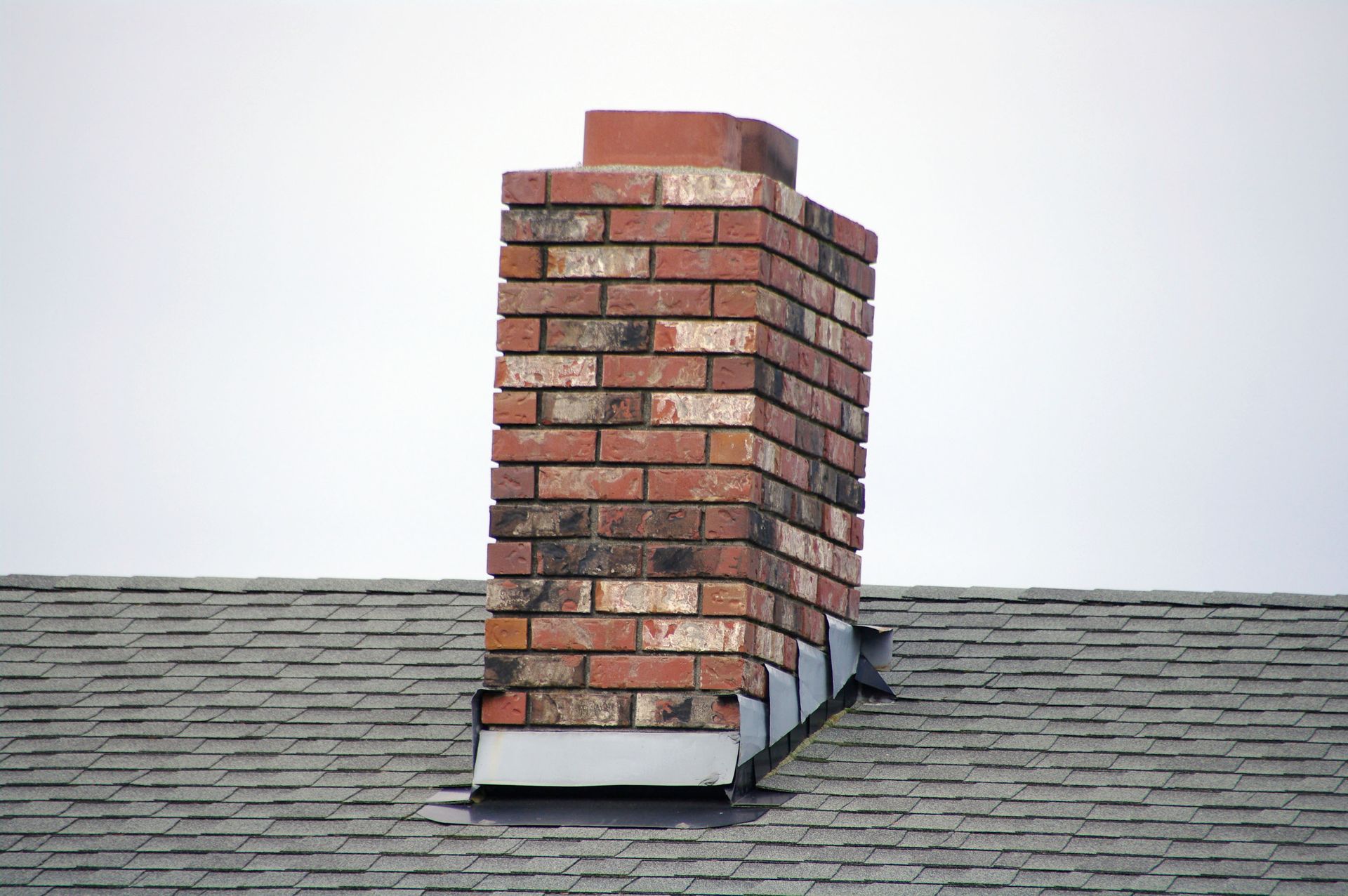
Flashing is the metal material that creates a waterproof seal between the chimney and the surrounding roof surface, and when it corrodes, pulls away, or was improperly installed, water runs behind it and enters the masonry at the roofline where it causes significant damage to the brick, mortar, and interior structure of the chimney over time. Flashing failures are often misidentified as roof leaks because the water that enters through failed chimney flashing typically appears on interior ceilings some distance from the actual entry point rather than directly below the chimney. Brick masonry chimney repair that includes addressing the flashing condition restores this critical seal and eliminates the moisture entry point that was driving deterioration in the masonry just above and below the roofline.
7. Sulfur Deposit Buildup That Attacks Mortar From the Inside
The combustion byproducts that pass through a chimney flue contain sulfur compounds that deposit on the interior surfaces of the chimney over time, and when moisture is present, these deposits can form sulfuric acid that attacks the mortar from the inside and accelerates the deterioration of joints that appear intact from the exterior. Internal mortar deterioration driven by sulfur deposits is particularly insidious because it progresses invisibly until the joints have lost enough material that the exterior begins to show movement or cracking that signals the underlying damage has already become significant. Brick masonry chimney repair that addresses both the interior and exterior condition of the structure provides a more thorough and lasting result than surface-level interventions that leave the internally compromised mortar in place while only addressing what is visible from the outside.
Chimney brick deterioration results from a combination of environmental forces, structural vulnerabilities, and maintenance gaps that compound over time when the early signs are overlooked or addressed only superficially. From freeze-thaw damage and mortar joint erosion to lintel failure, crown deterioration, flashing failures, and structural settlement, each cause has a specific professional response that restores the chimney's integrity and protects it from further decline. Cain Contracting has proudly served homeowners throughout Mt. Lebanon, Upper St. Clair, and the greater Pittsburgh, PA area since 2005, offering chimney repair, chimney rebuilding, brick and block replacement, brick pointing, mortar matching, lintel repair, whole house and spot pointing, foundation services, concrete services, and retaining wall installations, all backed by over 25 years of experience, a licensed and insured team, OSHA 10 certification, the owner always on site, no subcontractors, free on-site estimates, emergency service available, five-year workmanship warranties, and 10% off for seniors, veterans, and first responders. For more information, contact us today!