June 22, 2026
A chimney plays an important role in guiding smoke and gases safely out of a home, and when issues develop, they can affect both safety and comfort. Small problems can grow quietly over time, especially when they are not checked regularly or addressed early. This article explains common warning signs that indicate the need for chimney repair and why early attention matters for long-term home protection. Understanding these indicators helps prevent small concerns from turning into larger structural or safety problems that require more extensive work. It also helps maintain more consistent performance throughout seasonal use.
Identifying Visible Exterior Damage
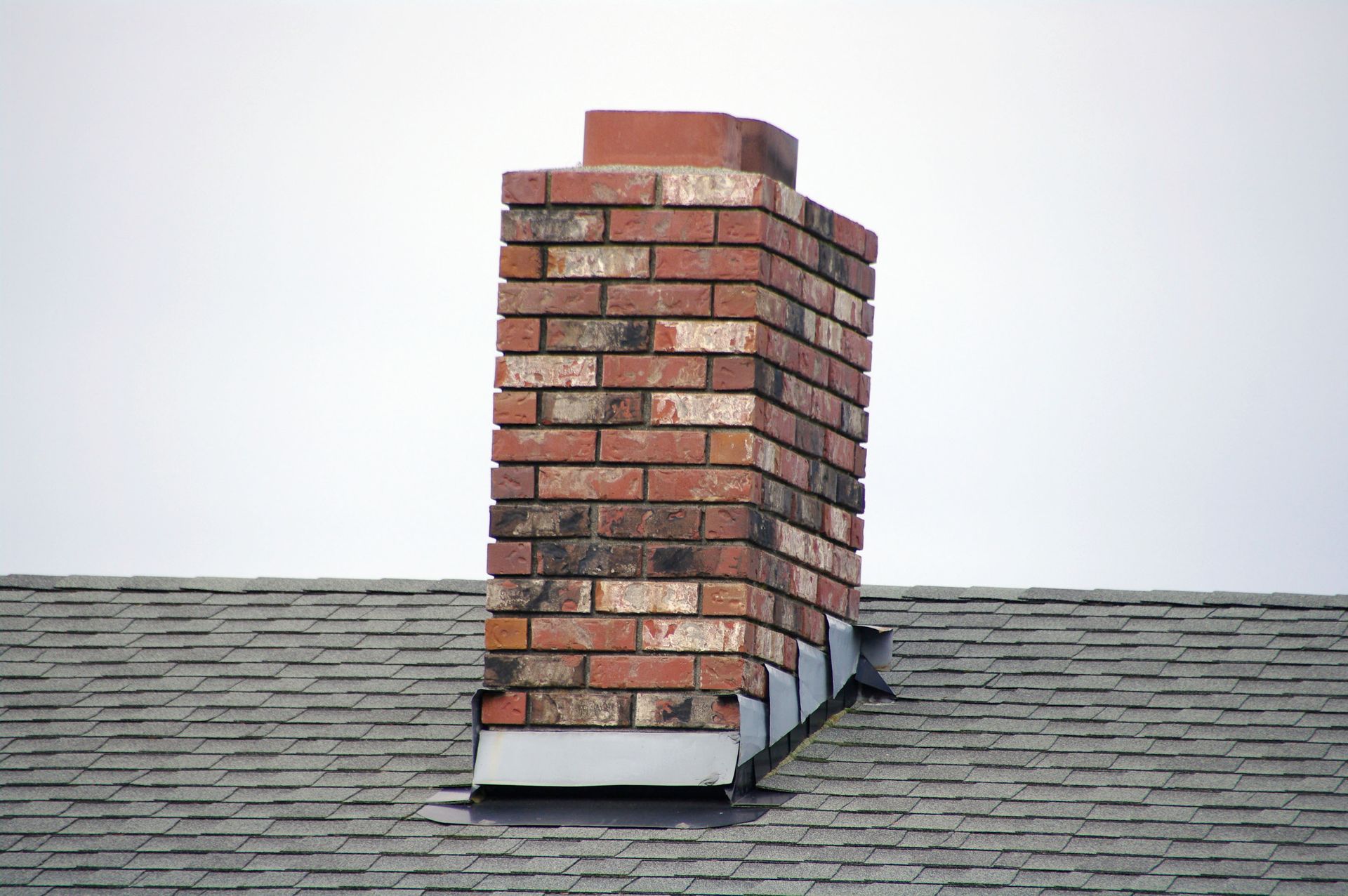
One of the first signs of trouble often appears on the outside of the chimney. Bricks may start to crack, shift, or loosen over time due to weather exposure, freeze-and-thaw cycles, and natural aging. Mortar joints can also break down, which may allow small gaps to form in the structure. When these changes appear, it can be a sign that chimney repair is needed soon. Moisture often enters through these openings, which can lead to further weakening of the chimney. Over time, small surface problems may develop into larger structural concerns if not addressed.
White staining on brick surfaces can also appear when water passes through masonry and leaves behind mineral deposits. This condition often signals ongoing moisture issues that may require chimney repair to prevent further deterioration. A professional assessment can help determine the level of damage and whether chimney repair should be completed right away or scheduled as part of a larger maintenance plan. Early evaluation also helps identify hidden issues that may not be visible from the ground.
Noticing Smoke and Draft Problems
Smoke should normally move up and out of the chimney without entering the living space. When smoke begins to back up into the home, it often signals a blockage or airflow issue. Poor draft can also make it harder for the fireplace or heating system to function properly. This may cause lingering smoke odors or uneven burning. These symptoms can point to buildup or internal obstructions that require chimney repair. In some cases, wind patterns around the roofline or partial flue restrictions can contribute to inconsistent airflow. Even small obstructions can disrupt the upward movement of smoke and create noticeable performance issues during use. Over time, this can place added strain on the system and reduce overall efficiency.
Cold air entering the home through the chimney is another common concern. This can reduce comfort levels indoors and indicate that airflow is not functioning as intended. Draft problems may become more noticeable during colder seasons when temperature differences between indoor and outdoor air increase. Seeking professional help at the first sign of draft issues is important. Early attention can prevent worsening conditions and help restore proper airflow through the chimney system.
Detecting Odors and Buildup
Unusual odors coming from the fireplace area often suggest buildup inside the chimney. One common material involved is creosote, a byproduct of burning wood that can accumulate along interior walls. Strong or persistent smoky smells, especially during warm weather or when the fireplace is not in use, can indicate that chimney repair may be needed. This buildup can restrict airflow and increase safety concerns if left unaddressed.
In some cases, odors may become more noticeable after rain or changes in humidity. This can happen when moisture interacts with residue inside the chimney. Regular inspection of internal conditions helps identify when cleaning or chimney repair is necessary. A clean and properly functioning chimney reduces odor issues and supports better overall performance.
Recognizing Interior Water Damage
Water entering through a chimney can cause significant problems inside a home. Stains on walls or ceilings near the chimney area are often early indicators of moisture intrusion. Over time, water can weaken internal components and contribute to deterioration of the chimney structure. This may lead to additional repairs if not addressed promptly. In many cases, chimney repair is needed to stop the source of water entry and prevent further damage.
Peeling paint or soft drywall near the chimney can also signal moisture issues that should not be ignored. These signs often develop gradually and may go unnoticed until damage becomes more visible. Moisture issues should be evaluated quickly. Even small leaks can grow into larger concerns that affect both the chimney and surrounding areas of the home.
Assessing Structural Shifting and Cracks
A chimney that begins to lean or shift away from its original position may indicate a serious structural issue. Cracks that appear larger over time can also signal movement within the structure. These signs often require immediate chimney repair, as they may point to instability. Structural concerns can worsen if exposed to weather changes, temperature shifts, or continued use.
Loose bricks or falling debris near the base of the chimney are additional warning signs that should be taken seriously. These conditions may indicate deeper internal weakening. Careful evaluation helps determine the extent of the issue and the appropriate level of repair needed. Addressing structural movement early can help prevent further deterioration.
Understanding Fire Safety Risks and Maintenance Needs
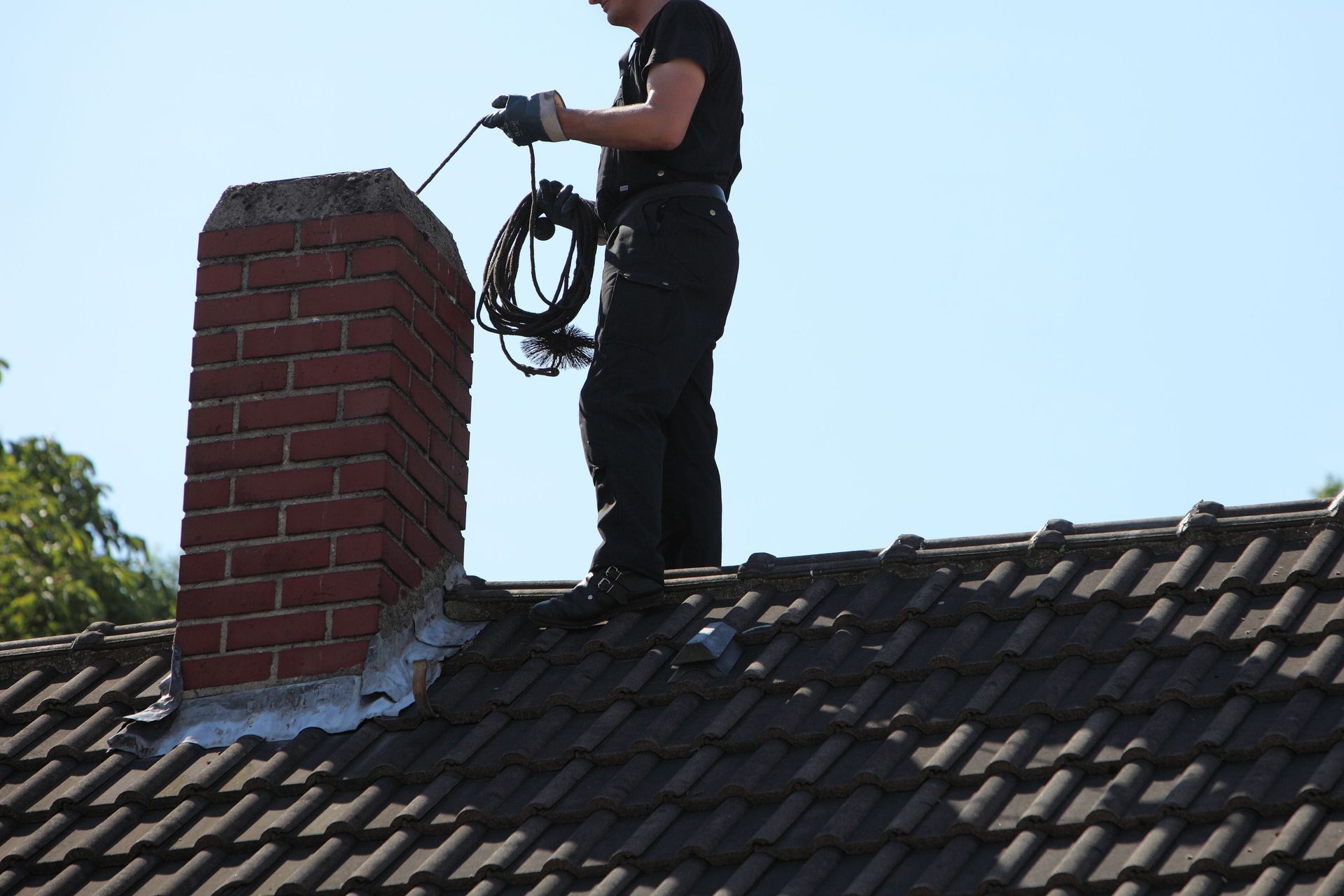
Fire safety is one of the most important reasons to pay attention to chimney condition. Blockages, buildup, or damage inside the chimney can increase risk if not properly maintained. According to the National Fire Protection Association, you should have your chimney swept at least once per year. This recommendation helps reduce buildup and supports safer operation. Regular maintenance also helps identify early signs that may require chimney repair before they become more serious.
Routine cleaning and inspection work together to maintain safe airflow and reduce fire-related risks. Unusual sounds such as cracking or popping during use may also indicate internal stress or buildup that should be checked. These warning signs should be evaluated as part of ongoing chimney care.
Addressing Long-Term Performance Concerns
Chimneys are exposed to constant temperature changes, moisture, and environmental conditions. Over time, these factors can affect how well the system performs. Small issues that go unnoticed may gradually impact efficiency and safety. One common concern is reduced performance caused by internal buildup or minor structural changes. These issues may not be immediately visible but can still affect how smoke and gases move through the chimney.
Draft inconsistencies, longer ignition times, or difficulty maintaining a steady fire can all point to developing issues. These symptoms often indicate that chimney repair may be needed to restore proper function. When performance begins to decline,
chimney repair may be needed to restore proper function. Addressing concerns early can help maintain consistent operation and reduce the chance of more serious problems developing later. Regular attention to performance helps extend the life of the chimney and supports safer long-term use of the system.
Recognizing early warning signs of chimney problems is an important part of maintaining a safe and functional home. Visible damage, smoke issues, odors, water intrusion, structural movement, and performance changes can all indicate the need for chimney repair. Paying attention to these signs helps prevent more serious complications over time. For homeowners noticing these issues, seeking professional help can provide clarity on the condition of the system and the next steps needed. For dependable chimney repair services, contact Cain Contracting to schedule an inspection and review your chimney condition with confidence.